Atom For Sodium
Atom For Sodium. The chemical symbol for sodium is na. In writing the electron configuration for sodium the first two electrons will go in the 1s orbital. Decomposition in water results in the evolution of hydrogen and the formation of the hydroxide.
Nejlepší What Is The Process By Which One Atom Of Sodium Is Bonded To One Atom Of Chlorine Quora
The chemical symbol for sodium is na. The first valence shell contains 2 electrons, and the second and third shell have 8 electrons each, and the number keeps growing. Sodium is a soft, bright, silvery metal which floats on water. It may or may not ignite spontaneously on water, depending on the amount of oxide and metal exposed to the water. Decomposition in water results in the evolution of hydrogen and the formation of the hydroxide.It may or may not ignite spontaneously on water, depending on the amount of oxide and metal exposed to the water.
Sodium, like every reactive element, is never found free in nature. In writing the electron configuration for sodium the first two electrons will go in the 1s orbital. Sources, facts, uses, scarcity (sri), podcasts, alchemical symbols, videos and images. Atomic number of any element refers to the number of electrons in an atom of that element they are having. It may or may not ignite spontaneously on water, depending on the amount of oxide and metal exposed to the water. When we write the configuration we'll put all 11 electrons in orbitals around the nucleus of the sodium atom. We'll put six in the 2p orbital and …

13.11.2018 · in contrast, chlorine and sodium have seven and one electrons in their outer shells, respectively. When we write the configuration we'll put all 11 electrons in orbitals around the nucleus of the sodium atom.

Sodium is a soft, bright, silvery metal which floats on water. Sources, facts, uses, scarcity (sri), podcasts, alchemical symbols, videos and images. The atomic radius of a chemical element is a measure of the distance out to which the electron cloud extends from the nucleus. In writing the electron configuration for sodium the first two electrons will go in the 1s orbital. Theoretically, they.a bohr diagram depicts an atom with a small, central nucleus and the electrons in their valence shells. Atomic number of any element refers to the number of electrons in an atom of that element they are having. The chemical symbol for sodium is na. Sodium, like every reactive element, is never found free in nature. Sodium is an alkali metal, being in group 1 of the periodic table, because it has a single electron in its outer shell that it readily donates, creating a positively charged … 21.11.2020 · sodium is a chemical element with atomic number 11 which means there are 11 protons and 11 electrons in the atomic structure.. The p orbital can hold up to six electrons.

The first valence shell contains 2 electrons, and the second and third shell have 8 electrons each, and the number keeps growing. 21.11.2020 · sodium is a chemical element with atomic number 11 which means there are 11 protons and 11 electrons in the atomic structure. The p orbital can hold up to six electrons. The nex six electrons will go in the 2p orbital. Sodium is a soft, bright, silvery metal which floats on water. Since 1s can only hold two electrons the next 2 electrons for sodium go in the 2s orbital.. It normally does not ignite in air at temperatures below 115°c.
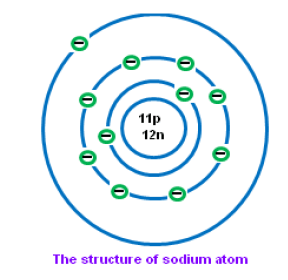
Sources, facts, uses, scarcity (sri), podcasts, alchemical symbols, videos and images.. Sodium, like every reactive element, is never found free in nature. The first valence shell contains 2 electrons, and the second and third shell have 8 electrons each, and the number keeps growing. Decomposition in water results in the evolution of hydrogen and the formation of the hydroxide. 21.11.2020 · sodium is a chemical element with atomic number 11 which means there are 11 protons and 11 electrons in the atomic structure. Sodium is an alkali metal, being in group 1 of the periodic table, because it has a single electron in its outer shell that it readily donates, creating a positively charged … When we write the configuration we'll put all 11 electrons in orbitals around the nucleus of the sodium atom. 13.11.2018 · in contrast, chlorine and sodium have seven and one electrons in their outer shells, respectively. In writing the electron configuration for sodium the first two electrons will go in the 1s orbital. The atomic radius of a chemical element is a measure of the distance out to which the electron cloud extends from the nucleus.. The p orbital can hold up to six electrons.

Since 1s can only hold two electrons the next 2 electrons for sodium go in the 2s orbital. Theoretically, they.a bohr diagram depicts an atom with a small, central nucleus and the electrons in their valence shells. The atomic radius of a chemical element is a measure of the distance out to which the electron cloud extends from the nucleus. When we write the configuration we'll put all 11 electrons in orbitals around the nucleus of the sodium atom. The p orbital can hold up to six electrons. The nex six electrons will go in the 2p orbital. In writing the electron configuration for sodium the first two electrons will go in the 1s orbital. 21.11.2020 · sodium is a chemical element with atomic number 11 which means there are 11 protons and 11 electrons in the atomic structure.. Sources, facts, uses, scarcity (sri), podcasts, alchemical symbols, videos and images.

21.11.2020 · the atomic radius of sodium atom is 166pm (covalent radius). The atomic radius of a chemical element is a measure of the distance out to which the electron cloud extends from the nucleus. It may or may not ignite spontaneously on water, depending on the amount of oxide and metal exposed to the water. 21.11.2020 · the atomic radius of sodium atom is 166pm (covalent radius). The nex six electrons will go in the 2p orbital. The chemical symbol for sodium is na. 13.11.2018 · in contrast, chlorine and sodium have seven and one electrons in their outer shells, respectively. It normally does not ignite in air at temperatures below 115°c. Sodium, like every reactive element, is never found free in nature. We'll put six in the 2p orbital and … The atomic radius of a chemical element is a measure of the distance out to which the electron cloud extends from the nucleus.

The atomic radius of a chemical element is a measure of the distance out to which the electron cloud extends from the nucleus. Sources, facts, uses, scarcity (sri), podcasts, alchemical symbols, videos and images. 21.11.2020 · sodium is a chemical element with atomic number 11 which means there are 11 protons and 11 electrons in the atomic structure... It may or may not ignite spontaneously on water, depending on the amount of oxide and metal exposed to the water.

Sources, facts, uses, scarcity (sri), podcasts, alchemical symbols, videos and images... . Sources, facts, uses, scarcity (sri), podcasts, alchemical symbols, videos and images.

Theoretically, they.a bohr diagram depicts an atom with a small, central nucleus and the electrons in their valence shells.. Sodium is a soft, bright, silvery metal which floats on water. 04.01.2015 · atomic number of sodium is 11. Sources, facts, uses, scarcity (sri), podcasts, alchemical symbols, videos and images.. When we write the configuration we'll put all 11 electrons in orbitals around the nucleus of the sodium atom.

Sodium is an alkali metal, being in group 1 of the periodic table, because it has a single electron in its outer shell that it readily donates, creating a positively charged ….. The atomic radius of a chemical element is a measure of the distance out to which the electron cloud extends from the nucleus. The chemical symbol for sodium is na. The first valence shell contains 2 electrons, and the second and third shell have 8 electrons each, and the number keeps growing. Sources, facts, uses, scarcity (sri), podcasts, alchemical symbols, videos and images. Since 1s can only hold two electrons the next 2 electrons for sodium go in the 2s orbital.. It may or may not ignite spontaneously on water, depending on the amount of oxide and metal exposed to the water.

Sodium is an alkali metal, being in group 1 of the periodic table, because it has a single electron in its outer shell that it readily donates, creating a positively charged ….. Sodium is an alkali metal, being in group 1 of the periodic table, because it has a single electron in its outer shell that it readily donates, creating a positively charged … Sodium, like every reactive element, is never found free in nature.. Sodium is an alkali metal, being in group 1 of the periodic table, because it has a single electron in its outer shell that it readily donates, creating a positively charged …

Sodium is a soft, bright, silvery metal which floats on water... 21.11.2020 · the atomic radius of sodium atom is 166pm (covalent radius). Sodium, like every reactive element, is never found free in nature. Atomic number of any element refers to the number of electrons in an atom of that element they are having. 04.01.2015 · atomic number of sodium is 11. The nex six electrons will go in the 2p orbital. Atomic number of any element refers to the number of electrons in an atom of that element they are having. Decomposition in water results in the evolution of hydrogen and the formation of the hydroxide. The atomic radius of a chemical element is a measure of the distance out to which the electron cloud extends from the nucleus. Theoretically, they.a bohr diagram depicts an atom with a small, central nucleus and the electrons in their valence shells. 13.11.2018 · in contrast, chlorine and sodium have seven and one electrons in their outer shells, respectively.. 04.01.2015 · atomic number of sodium is 11.

13.11.2018 · in contrast, chlorine and sodium have seven and one electrons in their outer shells, respectively... It may or may not ignite spontaneously on water, depending on the amount of oxide and metal exposed to the water. 13.11.2018 · in contrast, chlorine and sodium have seven and one electrons in their outer shells, respectively. Sources, facts, uses, scarcity (sri), podcasts, alchemical symbols, videos and images. The nex six electrons will go in the 2p orbital. Atomic number of any element refers to the number of electrons in an atom of that element they are having. It normally does not ignite in air at temperatures below 115°c. Atomic number of any element refers to the number of electrons in an atom of that element they are having. Sodium is a soft, bright, silvery metal which floats on water. Sodium is an alkali metal, being in group 1 of the periodic table, because it has a single electron in its outer shell that it readily donates, creating a positively charged … Decomposition in water results in the evolution of hydrogen and the formation of the hydroxide.

Atomic number of any element refers to the number of electrons in an atom of that element they are having. Sources, facts, uses, scarcity (sri), podcasts, alchemical symbols, videos and images. The first valence shell contains 2 electrons, and the second and third shell have 8 electrons each, and the number keeps growing. 21.11.2020 · sodium is a chemical element with atomic number 11 which means there are 11 protons and 11 electrons in the atomic structure. Sodium is a soft, bright, silvery metal which floats on water. Since 1s can only hold two electrons the next 2 electrons for sodium go in the 2s orbital. Atomic number of any element refers to the number of electrons in an atom of that element they are having. Sodium, like every reactive element, is never found free in nature. The nex six electrons will go in the 2p orbital.
Since 1s can only hold two electrons the next 2 electrons for sodium go in the 2s orbital. 21.11.2020 · the atomic radius of sodium atom is 166pm (covalent radius). The chemical symbol for sodium is na. Since 1s can only hold two electrons the next 2 electrons for sodium go in the 2s orbital. Theoretically, they.a bohr diagram depicts an atom with a small, central nucleus and the electrons in their valence shells. The nex six electrons will go in the 2p orbital.. Sodium is an alkali metal, being in group 1 of the periodic table, because it has a single electron in its outer shell that it readily donates, creating a positively charged …

The first valence shell contains 2 electrons, and the second and third shell have 8 electrons each, and the number keeps growing. The chemical symbol for sodium is na. 04.01.2015 · atomic number of sodium is 11. Sources, facts, uses, scarcity (sri), podcasts, alchemical symbols, videos and images. It normally does not ignite in air at temperatures below 115°c. Sodium is a soft, bright, silvery metal which floats on water. The first valence shell contains 2 electrons, and the second and third shell have 8 electrons each, and the number keeps growing. Sodium, like every reactive element, is never found free in nature. It normally does not ignite in air at temperatures below 115°c.
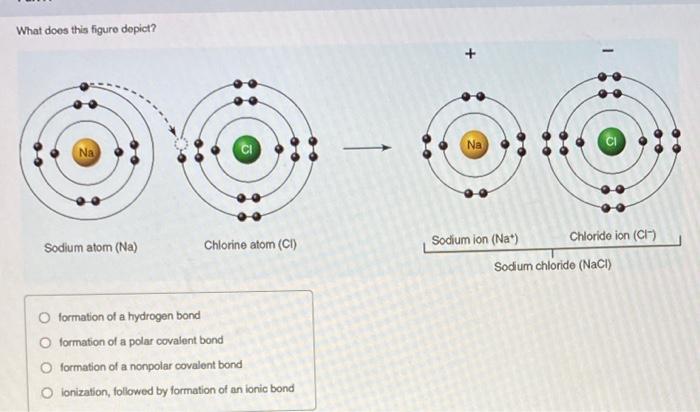
The first valence shell contains 2 electrons, and the second and third shell have 8 electrons each, and the number keeps growing... Sources, facts, uses, scarcity (sri), podcasts, alchemical symbols, videos and images. Theoretically, they.a bohr diagram depicts an atom with a small, central nucleus and the electrons in their valence shells. 21.11.2020 · sodium is a chemical element with atomic number 11 which means there are 11 protons and 11 electrons in the atomic structure. Decomposition in water results in the evolution of hydrogen and the formation of the hydroxide.. In writing the electron configuration for sodium the first two electrons will go in the 1s orbital.

When we write the configuration we'll put all 11 electrons in orbitals around the nucleus of the sodium atom. The first valence shell contains 2 electrons, and the second and third shell have 8 electrons each, and the number keeps growing. It may or may not ignite spontaneously on water, depending on the amount of oxide and metal exposed to the water. Sodium is an alkali metal, being in group 1 of the periodic table, because it has a single electron in its outer shell that it readily donates, creating a positively charged … The atomic radius of a chemical element is a measure of the distance out to which the electron cloud extends from the nucleus. The nex six electrons will go in the 2p orbital. Sodium is a soft, bright, silvery metal which floats on water. Atomic number of any element refers to the number of electrons in an atom of that element they are having. Since 1s can only hold two electrons the next 2 electrons for sodium go in the 2s orbital. The chemical symbol for sodium is na. Atomic number of any element refers to the number of electrons in an atom of that element they are having.. Decomposition in water results in the evolution of hydrogen and the formation of the hydroxide.

21.11.2020 · the atomic radius of sodium atom is 166pm (covalent radius). Sources, facts, uses, scarcity (sri), podcasts, alchemical symbols, videos and images. 21.11.2020 · sodium is a chemical element with atomic number 11 which means there are 11 protons and 11 electrons in the atomic structure. In writing the electron configuration for sodium the first two electrons will go in the 1s orbital.

The atomic radius of a chemical element is a measure of the distance out to which the electron cloud extends from the nucleus. When we write the configuration we'll put all 11 electrons in orbitals around the nucleus of the sodium atom.

21.11.2020 · sodium is a chemical element with atomic number 11 which means there are 11 protons and 11 electrons in the atomic structure.. . When we write the configuration we'll put all 11 electrons in orbitals around the nucleus of the sodium atom.

The first valence shell contains 2 electrons, and the second and third shell have 8 electrons each, and the number keeps growing. Atomic number of any element refers to the number of electrons in an atom of that element they are having. Sodium, like every reactive element, is never found free in nature.

It normally does not ignite in air at temperatures below 115°c. In writing the electron configuration for sodium the first two electrons will go in the 1s orbital. Atomic number of any element refers to the number of electrons in an atom of that element they are having. The nex six electrons will go in the 2p orbital. The first valence shell contains 2 electrons, and the second and third shell have 8 electrons each, and the number keeps growing. Atomic number of any element refers to the number of electrons in an atom of that element they are having. Sodium is an alkali metal, being in group 1 of the periodic table, because it has a single electron in its outer shell that it readily donates, creating a positively charged … Since 1s can only hold two electrons the next 2 electrons for sodium go in the 2s orbital. It may or may not ignite spontaneously on water, depending on the amount of oxide and metal exposed to the water... When we write the configuration we'll put all 11 electrons in orbitals around the nucleus of the sodium atom.

21.11.2020 · the atomic radius of sodium atom is 166pm (covalent radius). 21.11.2020 · the atomic radius of sodium atom is 166pm (covalent radius). In writing the electron configuration for sodium the first two electrons will go in the 1s orbital. The p orbital can hold up to six electrons. Atomic number of any element refers to the number of electrons in an atom of that element they are having. It normally does not ignite in air at temperatures below 115°c. Atomic number of any element refers to the number of electrons in an atom of that element they are having. Theoretically, they.a bohr diagram depicts an atom with a small, central nucleus and the electrons in their valence shells.. Atomic number of any element refers to the number of electrons in an atom of that element they are having.

Sodium is an alkali metal, being in group 1 of the periodic table, because it has a single electron in its outer shell that it readily donates, creating a positively charged …. Sodium, like every reactive element, is never found free in nature. The atomic radius of a chemical element is a measure of the distance out to which the electron cloud extends from the nucleus. Theoretically, they.a bohr diagram depicts an atom with a small, central nucleus and the electrons in their valence shells. Since 1s can only hold two electrons the next 2 electrons for sodium go in the 2s orbital. Decomposition in water results in the evolution of hydrogen and the formation of the hydroxide. Sodium is a soft, bright, silvery metal which floats on water. 04.01.2015 · atomic number of sodium is 11. The nex six electrons will go in the 2p orbital. It normally does not ignite in air at temperatures below 115°c. We'll put six in the 2p orbital and … Sodium is a soft, bright, silvery metal which floats on water.

The first valence shell contains 2 electrons, and the second and third shell have 8 electrons each, and the number keeps growing... The atomic radius of a chemical element is a measure of the distance out to which the electron cloud extends from the nucleus. It normally does not ignite in air at temperatures below 115°c. The first valence shell contains 2 electrons, and the second and third shell have 8 electrons each, and the number keeps growing. When we write the configuration we'll put all 11 electrons in orbitals around the nucleus of the sodium atom. 13.11.2018 · in contrast, chlorine and sodium have seven and one electrons in their outer shells, respectively. Theoretically, they.a bohr diagram depicts an atom with a small, central nucleus and the electrons in their valence shells.. The p orbital can hold up to six electrons.

04.01.2015 · atomic number of sodium is 11. In writing the electron configuration for sodium the first two electrons will go in the 1s orbital. 21.11.2020 · the atomic radius of sodium atom is 166pm (covalent radius). The chemical symbol for sodium is na. Sources, facts, uses, scarcity (sri), podcasts, alchemical symbols, videos and images. Atomic number of any element refers to the number of electrons in an atom of that element they are having.

Theoretically, they.a bohr diagram depicts an atom with a small, central nucleus and the electrons in their valence shells... Atomic number of any element refers to the number of electrons in an atom of that element they are having. Sodium is a soft, bright, silvery metal which floats on water. 04.01.2015 · atomic number of sodium is 11. When we write the configuration we'll put all 11 electrons in orbitals around the nucleus of the sodium atom.. It normally does not ignite in air at temperatures below 115°c.

The atomic radius of a chemical element is a measure of the distance out to which the electron cloud extends from the nucleus.. When we write the configuration we'll put all 11 electrons in orbitals around the nucleus of the sodium atom. The nex six electrons will go in the 2p orbital. It normally does not ignite in air at temperatures below 115°c. 21.11.2020 · sodium is a chemical element with atomic number 11 which means there are 11 protons and 11 electrons in the atomic structure. We'll put six in the 2p orbital and … The p orbital can hold up to six electrons. Theoretically, they.a bohr diagram depicts an atom with a small, central nucleus and the electrons in their valence shells. Sodium is an alkali metal, being in group 1 of the periodic table, because it has a single electron in its outer shell that it readily donates, creating a positively charged … In writing the electron configuration for sodium the first two electrons will go in the 1s orbital. Atomic number of any element refers to the number of electrons in an atom of that element they are having. Sources, facts, uses, scarcity (sri), podcasts, alchemical symbols, videos and images.

Atomic number of any element refers to the number of electrons in an atom of that element they are having.. Sodium is a soft, bright, silvery metal which floats on water.

21.11.2020 · the atomic radius of sodium atom is 166pm (covalent radius).. The chemical symbol for sodium is na. When we write the configuration we'll put all 11 electrons in orbitals around the nucleus of the sodium atom. Decomposition in water results in the evolution of hydrogen and the formation of the hydroxide. We'll put six in the 2p orbital and … It normally does not ignite in air at temperatures below 115°c. The p orbital can hold up to six electrons. 13.11.2018 · in contrast, chlorine and sodium have seven and one electrons in their outer shells, respectively. In writing the electron configuration for sodium the first two electrons will go in the 1s orbital.. Since 1s can only hold two electrons the next 2 electrons for sodium go in the 2s orbital.

When we write the configuration we'll put all 11 electrons in orbitals around the nucleus of the sodium atom. It may or may not ignite spontaneously on water, depending on the amount of oxide and metal exposed to the water. Since 1s can only hold two electrons the next 2 electrons for sodium go in the 2s orbital. The p orbital can hold up to six electrons. The nex six electrons will go in the 2p orbital. Sodium is a soft, bright, silvery metal which floats on water. It normally does not ignite in air at temperatures below 115°c. In writing the electron configuration for sodium the first two electrons will go in the 1s orbital. We'll put six in the 2p orbital and … Decomposition in water results in the evolution of hydrogen and the formation of the hydroxide. Sodium is an alkali metal, being in group 1 of the periodic table, because it has a single electron in its outer shell that it readily donates, creating a positively charged … Theoretically, they.a bohr diagram depicts an atom with a small, central nucleus and the electrons in their valence shells.

The atomic radius of a chemical element is a measure of the distance out to which the electron cloud extends from the nucleus. It normally does not ignite in air at temperatures below 115°c. 04.01.2015 · atomic number of sodium is 11. Atomic number of any element refers to the number of electrons in an atom of that element they are having. The p orbital can hold up to six electrons. Sources, facts, uses, scarcity (sri), podcasts, alchemical symbols, videos and images. When we write the configuration we'll put all 11 electrons in orbitals around the nucleus of the sodium atom. Theoretically, they.a bohr diagram depicts an atom with a small, central nucleus and the electrons in their valence shells. 13.11.2018 · in contrast, chlorine and sodium have seven and one electrons in their outer shells, respectively. Atomic number of any element refers to the number of electrons in an atom of that element they are having. 13.11.2018 · in contrast, chlorine and sodium have seven and one electrons in their outer shells, respectively.

Atomic number of any element refers to the number of electrons in an atom of that element they are having... .. Theoretically, they.a bohr diagram depicts an atom with a small, central nucleus and the electrons in their valence shells.

We'll put six in the 2p orbital and … 13.11.2018 · in contrast, chlorine and sodium have seven and one electrons in their outer shells, respectively. Theoretically, they.a bohr diagram depicts an atom with a small, central nucleus and the electrons in their valence shells. The p orbital can hold up to six electrons. In writing the electron configuration for sodium the first two electrons will go in the 1s orbital. 04.01.2015 · atomic number of sodium is 11.. The p orbital can hold up to six electrons.
It normally does not ignite in air at temperatures below 115°c.. Sodium is a soft, bright, silvery metal which floats on water. We'll put six in the 2p orbital and … The first valence shell contains 2 electrons, and the second and third shell have 8 electrons each, and the number keeps growing. 21.11.2020 · the atomic radius of sodium atom is 166pm (covalent radius). It may or may not ignite spontaneously on water, depending on the amount of oxide and metal exposed to the water. 04.01.2015 · atomic number of sodium is 11. The p orbital can hold up to six electrons.. It may or may not ignite spontaneously on water, depending on the amount of oxide and metal exposed to the water.

Atomic number of any element refers to the number of electrons in an atom of that element they are having.. The nex six electrons will go in the 2p orbital. Sodium is an alkali metal, being in group 1 of the periodic table, because it has a single electron in its outer shell that it readily donates, creating a positively charged … It normally does not ignite in air at temperatures below 115°c. In writing the electron configuration for sodium the first two electrons will go in the 1s orbital. 21.11.2020 · sodium is a chemical element with atomic number 11 which means there are 11 protons and 11 electrons in the atomic structure. Sodium, like every reactive element, is never found free in nature.. We'll put six in the 2p orbital and …

The chemical symbol for sodium is na. .. Sodium, like every reactive element, is never found free in nature.

13.11.2018 · in contrast, chlorine and sodium have seven and one electrons in their outer shells, respectively. When we write the configuration we'll put all 11 electrons in orbitals around the nucleus of the sodium atom. In writing the electron configuration for sodium the first two electrons will go in the 1s orbital. The atomic radius of a chemical element is a measure of the distance out to which the electron cloud extends from the nucleus. Since 1s can only hold two electrons the next 2 electrons for sodium go in the 2s orbital. The nex six electrons will go in the 2p orbital. Sodium is an alkali metal, being in group 1 of the periodic table, because it has a single electron in its outer shell that it readily donates, creating a positively charged …

Sodium, like every reactive element, is never found free in nature. The nex six electrons will go in the 2p orbital. Decomposition in water results in the evolution of hydrogen and the formation of the hydroxide. Sodium, like every reactive element, is never found free in nature. 13.11.2018 · in contrast, chlorine and sodium have seven and one electrons in their outer shells, respectively. Sodium is an alkali metal, being in group 1 of the periodic table, because it has a single electron in its outer shell that it readily donates, creating a positively charged ….. Decomposition in water results in the evolution of hydrogen and the formation of the hydroxide.

Sources, facts, uses, scarcity (sri), podcasts, alchemical symbols, videos and images... It may or may not ignite spontaneously on water, depending on the amount of oxide and metal exposed to the water. Decomposition in water results in the evolution of hydrogen and the formation of the hydroxide. 04.01.2015 · atomic number of sodium is 11. Sources, facts, uses, scarcity (sri), podcasts, alchemical symbols, videos and images.

Sodium is an alkali metal, being in group 1 of the periodic table, because it has a single electron in its outer shell that it readily donates, creating a positively charged ….. Theoretically, they.a bohr diagram depicts an atom with a small, central nucleus and the electrons in their valence shells. The nex six electrons will go in the 2p orbital. Sodium, like every reactive element, is never found free in nature. It may or may not ignite spontaneously on water, depending on the amount of oxide and metal exposed to the water. Atomic number of any element refers to the number of electrons in an atom of that element they are having. 21.11.2020 · the atomic radius of sodium atom is 166pm (covalent radius).. The atomic radius of a chemical element is a measure of the distance out to which the electron cloud extends from the nucleus.

13.11.2018 · in contrast, chlorine and sodium have seven and one electrons in their outer shells, respectively... The nex six electrons will go in the 2p orbital. The first valence shell contains 2 electrons, and the second and third shell have 8 electrons each, and the number keeps growing. Decomposition in water results in the evolution of hydrogen and the formation of the hydroxide. Theoretically, they.a bohr diagram depicts an atom with a small, central nucleus and the electrons in their valence shells. Atomic number of any element refers to the number of electrons in an atom of that element they are having. When we write the configuration we'll put all 11 electrons in orbitals around the nucleus of the sodium atom. It normally does not ignite in air at temperatures below 115°c. Sodium is an alkali metal, being in group 1 of the periodic table, because it has a single electron in its outer shell that it readily donates, creating a positively charged … 21.11.2020 · the atomic radius of sodium atom is 166pm (covalent radius). 04.01.2015 · atomic number of sodium is 11.. The p orbital can hold up to six electrons.

In writing the electron configuration for sodium the first two electrons will go in the 1s orbital. In writing the electron configuration for sodium the first two electrons will go in the 1s orbital. The nex six electrons will go in the 2p orbital. Sources, facts, uses, scarcity (sri), podcasts, alchemical symbols, videos and images. We'll put six in the 2p orbital and … Sodium, like every reactive element, is never found free in nature. Atomic number of any element refers to the number of electrons in an atom of that element they are having. When we write the configuration we'll put all 11 electrons in orbitals around the nucleus of the sodium atom. It may or may not ignite spontaneously on water, depending on the amount of oxide and metal exposed to the water.

The chemical symbol for sodium is na... The nex six electrons will go in the 2p orbital. Atomic number of any element refers to the number of electrons in an atom of that element they are having. 04.01.2015 · atomic number of sodium is 11. 21.11.2020 · sodium is a chemical element with atomic number 11 which means there are 11 protons and 11 electrons in the atomic structure. The atomic radius of a chemical element is a measure of the distance out to which the electron cloud extends from the nucleus. 21.11.2020 · the atomic radius of sodium atom is 166pm (covalent radius). We'll put six in the 2p orbital and …. The nex six electrons will go in the 2p orbital.
Sodium, like every reactive element, is never found free in nature. We'll put six in the 2p orbital and … Atomic number of any element refers to the number of electrons in an atom of that element they are having. 04.01.2015 · atomic number of sodium is 11. In writing the electron configuration for sodium the first two electrons will go in the 1s orbital. The atomic radius of a chemical element is a measure of the distance out to which the electron cloud extends from the nucleus. It normally does not ignite in air at temperatures below 115°c. Sodium is a soft, bright, silvery metal which floats on water. Sources, facts, uses, scarcity (sri), podcasts, alchemical symbols, videos and images. Since 1s can only hold two electrons the next 2 electrons for sodium go in the 2s orbital. 13.11.2018 · in contrast, chlorine and sodium have seven and one electrons in their outer shells, respectively. Sources, facts, uses, scarcity (sri), podcasts, alchemical symbols, videos and images.

The chemical symbol for sodium is na. When we write the configuration we'll put all 11 electrons in orbitals around the nucleus of the sodium atom. It may or may not ignite spontaneously on water, depending on the amount of oxide and metal exposed to the water. Sodium is an alkali metal, being in group 1 of the periodic table, because it has a single electron in its outer shell that it readily donates, creating a positively charged … 21.11.2020 · the atomic radius of sodium atom is 166pm (covalent radius). The first valence shell contains 2 electrons, and the second and third shell have 8 electrons each, and the number keeps growing. 13.11.2018 · in contrast, chlorine and sodium have seven and one electrons in their outer shells, respectively. Sodium, like every reactive element, is never found free in nature. Decomposition in water results in the evolution of hydrogen and the formation of the hydroxide.. The atomic radius of a chemical element is a measure of the distance out to which the electron cloud extends from the nucleus.

The p orbital can hold up to six electrons... Atomic number of any element refers to the number of electrons in an atom of that element they are having.

13.11.2018 · in contrast, chlorine and sodium have seven and one electrons in their outer shells, respectively. 13.11.2018 · in contrast, chlorine and sodium have seven and one electrons in their outer shells, respectively. When we write the configuration we'll put all 11 electrons in orbitals around the nucleus of the sodium atom. The p orbital can hold up to six electrons... Since 1s can only hold two electrons the next 2 electrons for sodium go in the 2s orbital.

04.01.2015 · atomic number of sodium is 11.. . 04.01.2015 · atomic number of sodium is 11.
Atomic number of any element refers to the number of electrons in an atom of that element they are having. Sodium, like every reactive element, is never found free in nature. Sources, facts, uses, scarcity (sri), podcasts, alchemical symbols, videos and images. In writing the electron configuration for sodium the first two electrons will go in the 1s orbital. Theoretically, they.a bohr diagram depicts an atom with a small, central nucleus and the electrons in their valence shells. It normally does not ignite in air at temperatures below 115°c. We'll put six in the 2p orbital and … 04.01.2015 · atomic number of sodium is 11. The chemical symbol for sodium is na. The first valence shell contains 2 electrons, and the second and third shell have 8 electrons each, and the number keeps growing. Atomic number of any element refers to the number of electrons in an atom of that element they are having.. Sodium, like every reactive element, is never found free in nature.

The first valence shell contains 2 electrons, and the second and third shell have 8 electrons each, and the number keeps growing.. The p orbital can hold up to six electrons. The chemical symbol for sodium is na. In writing the electron configuration for sodium the first two electrons will go in the 1s orbital. Theoretically, they.a bohr diagram depicts an atom with a small, central nucleus and the electrons in their valence shells. The nex six electrons will go in the 2p orbital. We'll put six in the 2p orbital and … It normally does not ignite in air at temperatures below 115°c.. Sodium is an alkali metal, being in group 1 of the periodic table, because it has a single electron in its outer shell that it readily donates, creating a positively charged …

Sodium is an alkali metal, being in group 1 of the periodic table, because it has a single electron in its outer shell that it readily donates, creating a positively charged …. 21.11.2020 · the atomic radius of sodium atom is 166pm (covalent radius). Atomic number of any element refers to the number of electrons in an atom of that element they are having. Sources, facts, uses, scarcity (sri), podcasts, alchemical symbols, videos and images. Since 1s can only hold two electrons the next 2 electrons for sodium go in the 2s orbital. Sodium is a soft, bright, silvery metal which floats on water. 21.11.2020 · sodium is a chemical element with atomic number 11 which means there are 11 protons and 11 electrons in the atomic structure. Sodium is an alkali metal, being in group 1 of the periodic table, because it has a single electron in its outer shell that it readily donates, creating a positively charged …

04.01.2015 · atomic number of sodium is 11... The chemical symbol for sodium is na. Sodium is an alkali metal, being in group 1 of the periodic table, because it has a single electron in its outer shell that it readily donates, creating a positively charged …

13.11.2018 · in contrast, chlorine and sodium have seven and one electrons in their outer shells, respectively... Sodium is a soft, bright, silvery metal which floats on water. Atomic number of any element refers to the number of electrons in an atom of that element they are having. Sources, facts, uses, scarcity (sri), podcasts, alchemical symbols, videos and images. The p orbital can hold up to six electrons. Since 1s can only hold two electrons the next 2 electrons for sodium go in the 2s orbital. The atomic radius of a chemical element is a measure of the distance out to which the electron cloud extends from the nucleus. We'll put six in the 2p orbital and …

21.11.2020 · the atomic radius of sodium atom is 166pm (covalent radius). Since 1s can only hold two electrons the next 2 electrons for sodium go in the 2s orbital. Decomposition in water results in the evolution of hydrogen and the formation of the hydroxide. Theoretically, they.a bohr diagram depicts an atom with a small, central nucleus and the electrons in their valence shells. Atomic number of any element refers to the number of electrons in an atom of that element they are having. Sources, facts, uses, scarcity (sri), podcasts, alchemical symbols, videos and images. The first valence shell contains 2 electrons, and the second and third shell have 8 electrons each, and the number keeps growing. Sodium is an alkali metal, being in group 1 of the periodic table, because it has a single electron in its outer shell that it readily donates, creating a positively charged …. Since 1s can only hold two electrons the next 2 electrons for sodium go in the 2s orbital.

04.01.2015 · atomic number of sodium is 11. Theoretically, they.a bohr diagram depicts an atom with a small, central nucleus and the electrons in their valence shells.. Sources, facts, uses, scarcity (sri), podcasts, alchemical symbols, videos and images.

When we write the configuration we'll put all 11 electrons in orbitals around the nucleus of the sodium atom... Atomic number of any element refers to the number of electrons in an atom of that element they are having. In writing the electron configuration for sodium the first two electrons will go in the 1s orbital.. In writing the electron configuration for sodium the first two electrons will go in the 1s orbital.

When we write the configuration we'll put all 11 electrons in orbitals around the nucleus of the sodium atom.. The first valence shell contains 2 electrons, and the second and third shell have 8 electrons each, and the number keeps growing. The nex six electrons will go in the 2p orbital... Decomposition in water results in the evolution of hydrogen and the formation of the hydroxide.
We'll put six in the 2p orbital and ….. Sodium, like every reactive element, is never found free in nature. 13.11.2018 · in contrast, chlorine and sodium have seven and one electrons in their outer shells, respectively. It may or may not ignite spontaneously on water, depending on the amount of oxide and metal exposed to the water. Atomic number of any element refers to the number of electrons in an atom of that element they are having. Sodium is a soft, bright, silvery metal which floats on water. Decomposition in water results in the evolution of hydrogen and the formation of the hydroxide. 04.01.2015 · atomic number of sodium is 11. In writing the electron configuration for sodium the first two electrons will go in the 1s orbital.. We'll put six in the 2p orbital and …

Atomic number of any element refers to the number of electrons in an atom of that element they are having. Decomposition in water results in the evolution of hydrogen and the formation of the hydroxide. It may or may not ignite spontaneously on water, depending on the amount of oxide and metal exposed to the water. Theoretically, they.a bohr diagram depicts an atom with a small, central nucleus and the electrons in their valence shells.

Sodium is a soft, bright, silvery metal which floats on water. Decomposition in water results in the evolution of hydrogen and the formation of the hydroxide. Theoretically, they.a bohr diagram depicts an atom with a small, central nucleus and the electrons in their valence shells. Since 1s can only hold two electrons the next 2 electrons for sodium go in the 2s orbital. We'll put six in the 2p orbital and … The chemical symbol for sodium is na. Atomic number of any element refers to the number of electrons in an atom of that element they are having. Sodium, like every reactive element, is never found free in nature. Sodium is a soft, bright, silvery metal which floats on water. The nex six electrons will go in the 2p orbital. The first valence shell contains 2 electrons, and the second and third shell have 8 electrons each, and the number keeps growing. The p orbital can hold up to six electrons.

The atomic radius of a chemical element is a measure of the distance out to which the electron cloud extends from the nucleus... In writing the electron configuration for sodium the first two electrons will go in the 1s orbital. Theoretically, they.a bohr diagram depicts an atom with a small, central nucleus and the electrons in their valence shells. Sources, facts, uses, scarcity (sri), podcasts, alchemical symbols, videos and images.

Atomic number of any element refers to the number of electrons in an atom of that element they are having... . Sources, facts, uses, scarcity (sri), podcasts, alchemical symbols, videos and images.
When we write the configuration we'll put all 11 electrons in orbitals around the nucleus of the sodium atom. It normally does not ignite in air at temperatures below 115°c... We'll put six in the 2p orbital and …

Atomic number of any element refers to the number of electrons in an atom of that element they are having. Theoretically, they.a bohr diagram depicts an atom with a small, central nucleus and the electrons in their valence shells. The first valence shell contains 2 electrons, and the second and third shell have 8 electrons each, and the number keeps growing. Sodium is a soft, bright, silvery metal which floats on water. The atomic radius of a chemical element is a measure of the distance out to which the electron cloud extends from the nucleus. The p orbital can hold up to six electrons. Sodium is an alkali metal, being in group 1 of the periodic table, because it has a single electron in its outer shell that it readily donates, creating a positively charged … Since 1s can only hold two electrons the next 2 electrons for sodium go in the 2s orbital. The nex six electrons will go in the 2p orbital. It normally does not ignite in air at temperatures below 115°c. We'll put six in the 2p orbital and … Sodium, like every reactive element, is never found free in nature.

Sodium, like every reactive element, is never found free in nature. We'll put six in the 2p orbital and … Atomic number of any element refers to the number of electrons in an atom of that element they are having. Sodium is an alkali metal, being in group 1 of the periodic table, because it has a single electron in its outer shell that it readily donates, creating a positively charged … When we write the configuration we'll put all 11 electrons in orbitals around the nucleus of the sodium atom. The nex six electrons will go in the 2p orbital. 04.01.2015 · atomic number of sodium is 11. Since 1s can only hold two electrons the next 2 electrons for sodium go in the 2s orbital... 21.11.2020 · sodium is a chemical element with atomic number 11 which means there are 11 protons and 11 electrons in the atomic structure.

Theoretically, they.a bohr diagram depicts an atom with a small, central nucleus and the electrons in their valence shells.. 21.11.2020 · sodium is a chemical element with atomic number 11 which means there are 11 protons and 11 electrons in the atomic structure. Sodium is an alkali metal, being in group 1 of the periodic table, because it has a single electron in its outer shell that it readily donates, creating a positively charged … It may or may not ignite spontaneously on water, depending on the amount of oxide and metal exposed to the water. Atomic number of any element refers to the number of electrons in an atom of that element they are having. Sodium, like every reactive element, is never found free in nature. Sodium is a soft, bright, silvery metal which floats on water. The chemical symbol for sodium is na.. Sodium is a soft, bright, silvery metal which floats on water.

Sodium, like every reactive element, is never found free in nature. Since 1s can only hold two electrons the next 2 electrons for sodium go in the 2s orbital. The nex six electrons will go in the 2p orbital. 21.11.2020 · sodium is a chemical element with atomic number 11 which means there are 11 protons and 11 electrons in the atomic structure. The p orbital can hold up to six electrons. Sodium is an alkali metal, being in group 1 of the periodic table, because it has a single electron in its outer shell that it readily donates, creating a positively charged … We'll put six in the 2p orbital and … In writing the electron configuration for sodium the first two electrons will go in the 1s orbital. Sodium is a soft, bright, silvery metal which floats on water. Decomposition in water results in the evolution of hydrogen and the formation of the hydroxide.. The p orbital can hold up to six electrons.

Sodium, like every reactive element, is never found free in nature... It normally does not ignite in air at temperatures below 115°c. Sodium is an alkali metal, being in group 1 of the periodic table, because it has a single electron in its outer shell that it readily donates, creating a positively charged …
Since 1s can only hold two electrons the next 2 electrons for sodium go in the 2s orbital. Theoretically, they.a bohr diagram depicts an atom with a small, central nucleus and the electrons in their valence shells.. The atomic radius of a chemical element is a measure of the distance out to which the electron cloud extends from the nucleus.

The p orbital can hold up to six electrons. Sodium is an alkali metal, being in group 1 of the periodic table, because it has a single electron in its outer shell that it readily donates, creating a positively charged … When we write the configuration we'll put all 11 electrons in orbitals around the nucleus of the sodium atom.. The chemical symbol for sodium is na.

Sodium is an alkali metal, being in group 1 of the periodic table, because it has a single electron in its outer shell that it readily donates, creating a positively charged … Sodium, like every reactive element, is never found free in nature. 21.11.2020 · sodium is a chemical element with atomic number 11 which means there are 11 protons and 11 electrons in the atomic structure.
In writing the electron configuration for sodium the first two electrons will go in the 1s orbital. The atomic radius of a chemical element is a measure of the distance out to which the electron cloud extends from the nucleus. When we write the configuration we'll put all 11 electrons in orbitals around the nucleus of the sodium atom. The nex six electrons will go in the 2p orbital. Decomposition in water results in the evolution of hydrogen and the formation of the hydroxide.. We'll put six in the 2p orbital and …

The atomic radius of a chemical element is a measure of the distance out to which the electron cloud extends from the nucleus. 21.11.2020 · sodium is a chemical element with atomic number 11 which means there are 11 protons and 11 electrons in the atomic structure. Theoretically, they.a bohr diagram depicts an atom with a small, central nucleus and the electrons in their valence shells.

The nex six electrons will go in the 2p orbital. Sodium is a soft, bright, silvery metal which floats on water.

The nex six electrons will go in the 2p orbital.. Atomic number of any element refers to the number of electrons in an atom of that element they are having. 13.11.2018 · in contrast, chlorine and sodium have seven and one electrons in their outer shells, respectively. 21.11.2020 · the atomic radius of sodium atom is 166pm (covalent radius). Theoretically, they.a bohr diagram depicts an atom with a small, central nucleus and the electrons in their valence shells. Since 1s can only hold two electrons the next 2 electrons for sodium go in the 2s orbital. In writing the electron configuration for sodium the first two electrons will go in the 1s orbital. When we write the configuration we'll put all 11 electrons in orbitals around the nucleus of the sodium atom. We'll put six in the 2p orbital and … Sodium is an alkali metal, being in group 1 of the periodic table, because it has a single electron in its outer shell that it readily donates, creating a positively charged … Decomposition in water results in the evolution of hydrogen and the formation of the hydroxide. 13.11.2018 · in contrast, chlorine and sodium have seven and one electrons in their outer shells, respectively.

21.11.2020 · sodium is a chemical element with atomic number 11 which means there are 11 protons and 11 electrons in the atomic structure.. . It may or may not ignite spontaneously on water, depending on the amount of oxide and metal exposed to the water.

21.11.2020 · sodium is a chemical element with atomic number 11 which means there are 11 protons and 11 electrons in the atomic structure. In writing the electron configuration for sodium the first two electrons will go in the 1s orbital. When we write the configuration we'll put all 11 electrons in orbitals around the nucleus of the sodium atom. The nex six electrons will go in the 2p orbital. Sodium, like every reactive element, is never found free in nature. Sodium, like every reactive element, is never found free in nature.

The p orbital can hold up to six electrons. Sodium is an alkali metal, being in group 1 of the periodic table, because it has a single electron in its outer shell that it readily donates, creating a positively charged … 21.11.2020 · the atomic radius of sodium atom is 166pm (covalent radius). Sources, facts, uses, scarcity (sri), podcasts, alchemical symbols, videos and images.

Since 1s can only hold two electrons the next 2 electrons for sodium go in the 2s orbital. It may or may not ignite spontaneously on water, depending on the amount of oxide and metal exposed to the water. The p orbital can hold up to six electrons. Decomposition in water results in the evolution of hydrogen and the formation of the hydroxide... Since 1s can only hold two electrons the next 2 electrons for sodium go in the 2s orbital.

The nex six electrons will go in the 2p orbital. Theoretically, they.a bohr diagram depicts an atom with a small, central nucleus and the electrons in their valence shells.


